Cortisol physiology
Cortisol, the principal glucocorticoid stress hormone, is released by the adrenal cortex in response to physical or psychological stressors. Acute cortisol release serves an adaptive function, mobilizing energy substrates for immediate physiological demand. Chronic, sustained elevation — increasingly documented in contemporary lifestyle contexts — represents a distinct and clinically relevant pattern.
The cortisol-adiposity relationship
Chronic cortisol elevation demonstrates a well-documented association with increased visceral adipose tissue specifically. Cortisol preferentially promotes lipid storage in visceral depots, and visceral adipocytes express higher glucocorticoid receptor density than subcutaneous adipose tissue — establishing a feedback mechanism concentrating stress-related fat storage in the region most strongly associated with cardiometabolic risk.
Research context: Studies correlating cortisol rhythm dysregulation with body composition consistently identify elevated visceral adiposity independent of total caloric intake.
Cortisol's influence on dietary selection
Beyond storage distribution, cortisol independently influences food preference — chronic stress correlates with increased preference for energy-dense, high-palatability foods specifically, rather than generalized hyperphagia. This represents a selective bias toward food categories least favorable to weight management goals, not simply increased caloric intake.
The proposed mechanism of adaptogenic compounds
Adaptogens describe a botanical category studied for a proposed role in supporting physiological homeostasis under stress conditions — modulating rather than eliminating cortisol response, since complete cortisol suppression would be physiologically undesirable. The proposed mechanism generally involves modulation of hypothalamic-pituitary-adrenal (HPA) axis signalling.
Maca root: research context
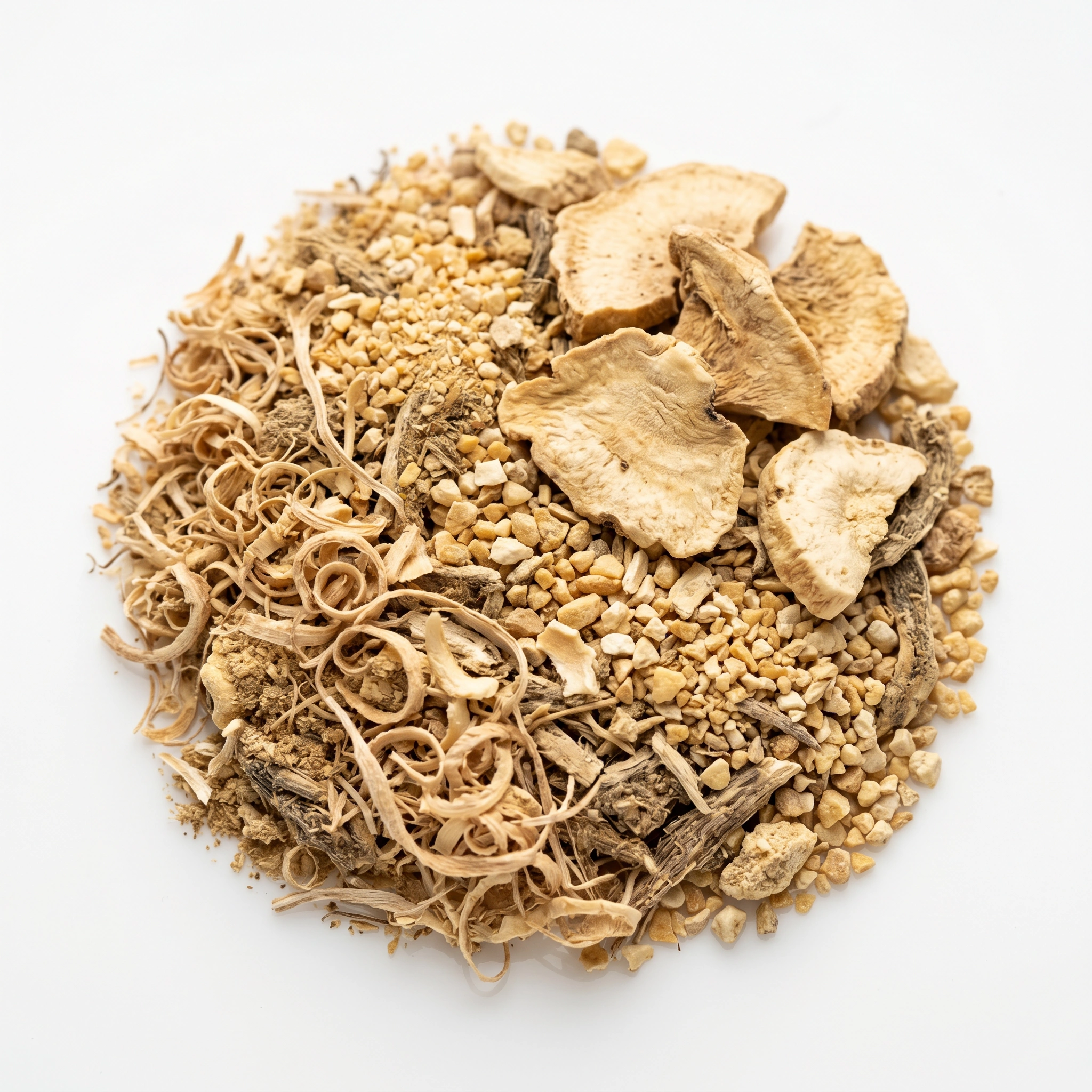
Maca (Lepidium meyenii), native to the Peruvian Andes, carries extensive traditional use history alongside preliminary research examining effects on energy, mood, and hormonal parameters. While the research base remains smaller than for more extensively studied adaptogens, its traditional and preliminary evidence profile supports inclusion in formulations addressing stress as a contributing factor to weight management difficulty.
Clinical rationale for inclusion in a comprehensive formula
Addressing thermogenesis and appetite regulation without concurrent attention to stress-hormone physiology represents an incomplete approach — cortisol-mediated mechanisms may attenuate the efficacy of both fat-oxidation and appetite-focused interventions independently, supporting the inclusion of adaptogenic components alongside directly metabolic ingredients.
Sleep-cortisol interaction
Insufficient sleep independently elevates next-day cortisol, establishing a bidirectional relationship wherein stress disrupts sleep architecture and sleep debt further elevates stress hormone output. Adaptogenic supplementation does not substitute for adequate sleep hygiene as a cortisol-management strategy — the two represent complementary rather than interchangeable interventions.