Defining thermogenesis clinically
Thermogenesis refers to the metabolic process of heat generation, which requires energy expenditure. Basal thermogenesis occurs continuously to maintain core body temperature and support cellular function, accounting for the majority of total daily energy expenditure independent of physical activity.
When a compound is described as thermogenic, the claim is that it produces a measurable, incremental increase in this baseline energy expenditure — not that it independently generates substantial fat loss without other contributing factors.
The EGCG mechanism
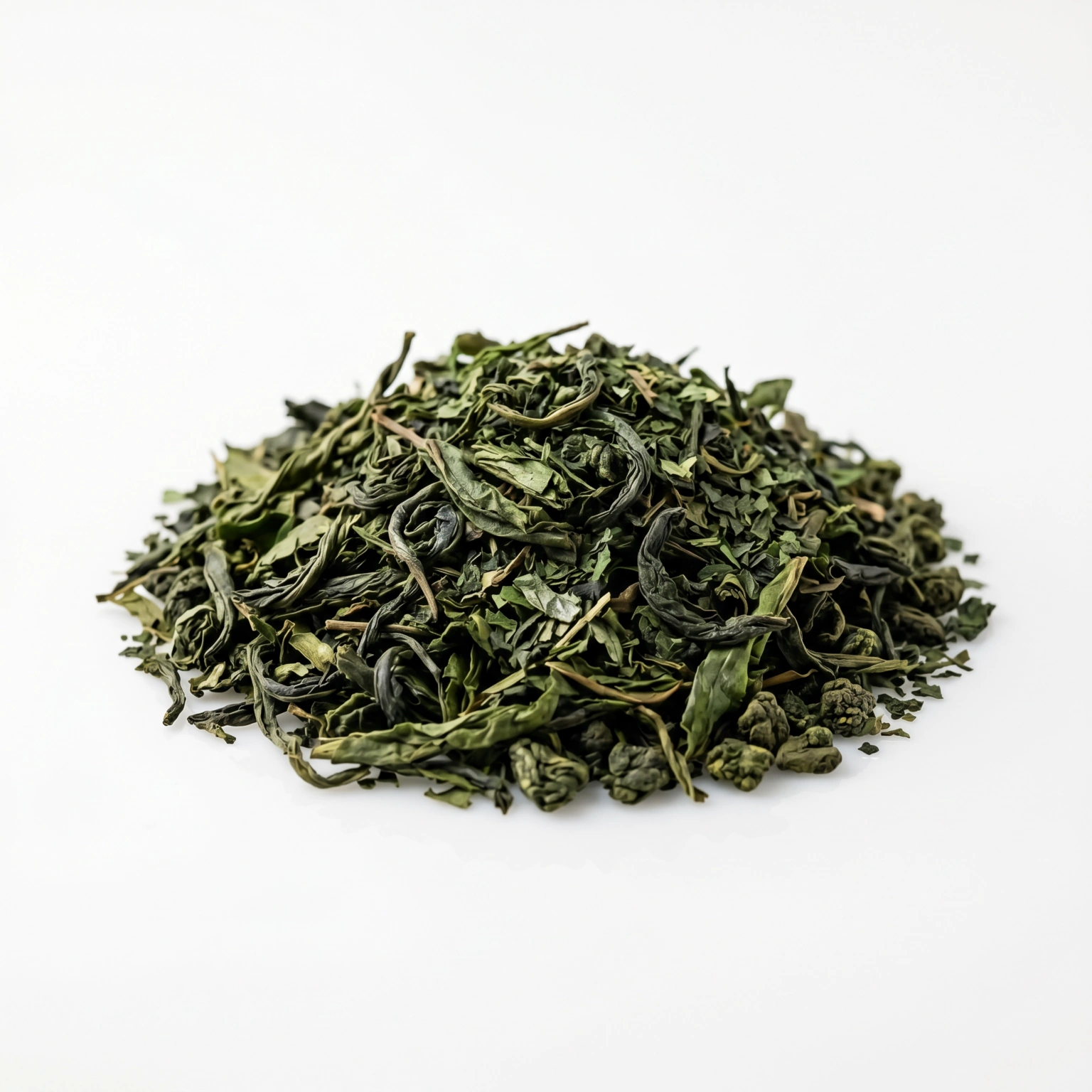
Green tea's principal bioactive compounds, catechins — particularly epigallocatechin gallate (EGCG) — are studied for their inhibitory effect on catechol-O-methyltransferase, an enzyme responsible for norepinephrine degradation. By attenuating this degradation, EGCG is proposed to extend norepinephrine's signalling duration, a pathway directly involved in lipolysis and thermogenic activity.
Research context: Studies combining green tea catechins with moderate caffeine intake demonstrate measurable increases in 24-hour energy expenditure relative to caffeine administered alone, indicating a synergistic rather than purely caffeine-driven effect.
The role of caffeine in this pathway
Caffeine independently exerts central nervous system stimulation with a modest thermogenic effect through overlapping norepinephrine-related mechanisms. This is a primary rationale for green tea extract's prominence in metabolic research relative to isolated catechins or caffeine — the combined compound demonstrates superior outcomes to either component administered alone.
Clinically realistic effect magnitude
Precision regarding scale is clinically important: thermogenic supplementation research typically reports a modest percentage-level increase in daily energy expenditure — clinically meaningful with sustained use, though not comparable to a single dramatic intervention. Thermogenic compounds function as an adjunct to established weight management approaches, not a substitute.
Differentiating guarana from green tea
Guarana's caffeine content is embedded within the seed's fibrous matrix, producing a comparatively gradual absorption profile relative to green tea's more rapidly bioavailable caffeine. This pharmacokinetic distinction supports including both: green tea for nearer-term thermogenic and cognitive effects, guarana for sustained energy availability without a secondary sharp peak.
Beyond stimulant content alone
A common misconception equates "thermogenic" with elevated stimulant content. In a properly formulated combination, thermogenic support derives from multiple convergent mechanisms — catechin-mediated norepinephrine support, chromium-supported glycemic efficiency, and adaptogenic support for the stress-hormone environment that otherwise antagonizes fat metabolism. Stimulant content represents one contributing factor among several.
Clinical takeaway
Thermogenic ingredients provide documented, measurable support for energy expenditure — representing an incremental contribution rather than a mechanism circumventing energy balance principles. Consistent administration alongside appropriate dietary and activity patterns allows this incremental daily effect to accumulate meaningfully over an extended period.
Does administration timing affect outcomes?
Limited research suggests a marginally enhanced thermogenic response when administered prior to physical activity or earlier in the daily cycle, aligning the temporary metabolic elevation with periods of higher baseline activity. However, consistency of daily administration remains the more robustly supported variable relative to precise timing optimization.
Inter-individual variability in response
Genetic polymorphisms affecting caffeine metabolism, baseline metabolic rate, and existing activity level all contribute to variability in subjective and measurable response to thermogenic supplementation. This variability reflects genuine physiological heterogeneity rather than inconsistent efficacy of the underlying mechanism.